The Internet Never Forgets (And It Certainly Never Lets You Forget)
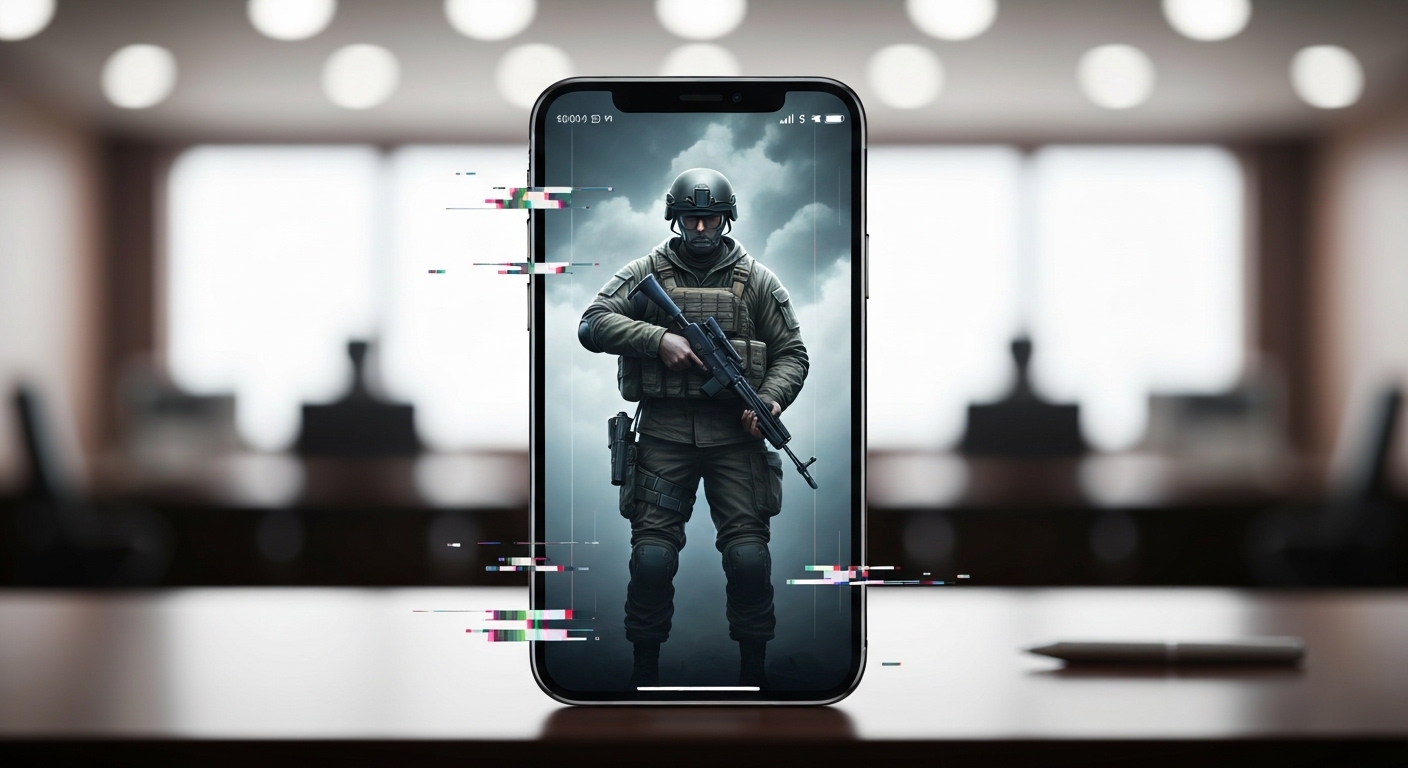
We’ve all seen it: a polished, high-definition image that looks just a little too perfect. The lighting is overly dramatic, the emotions are dialed up to eleven, and everything feels slightly like a high-budget video game cutscene. For one Texas Republican, what was intended as a poignant tribute to a rescued soldier quickly spiraled into a digital PR nightmare.
The AI Faux Pas
In a recent display of how quickly AI can trip up even the most seasoned public figures, a Texas representative shared an image of a soldier being ‘rescued.’ The problem? It wasn’t a photograph—it was a synthetic hallucination generated by an AI model.
It didn’t take long for eagle-eyed internet sleuths to spot the telltale signs of machine-generated content: the impossible lighting, the uncanny anatomy, and the complete lack of a real-world source. The backlash was immediate, proving once again that in an era of rampant misinformation, a social media team that simply hits ‘share’ without vetting is a liability.
Why Does This Keep Happening?
It’s tempting to lean on generative AI to craft the ‘perfect’ message. It’s fast, it’s punchy, and it’s visually arresting. But when it comes to news, politics, and historical tributes, authenticity is the only currency that matters.
- The Trust Deficit: When public figures share AI-generated ‘news,’ it deepens the already fractured trust between voters and their elected officials.
- The Digital Literacy Gap: This incident serves as a stark wake-up call that we all need to be more skeptical of the media we consume.
- The ‘Cool Factor’ Trap: Just because an image captures a sentiment doesn’t mean it captured an event. If it looks like it belongs in a Pixar movie rather than a battlefield report, it’s likely a prompt, not a photograph.
The Lesson for Us All
We aren’t just in the era of ‘fake news’ anymore; we are in the era of ‘fake reality.’ Whether you’re a politician, a content creator, or someone just scrolling through your feed, the rules remain the same: Verify before you amplify.
Next time an image looks like a work of fiction, treat it as one. Your credibility—and the truth—will thank you.