
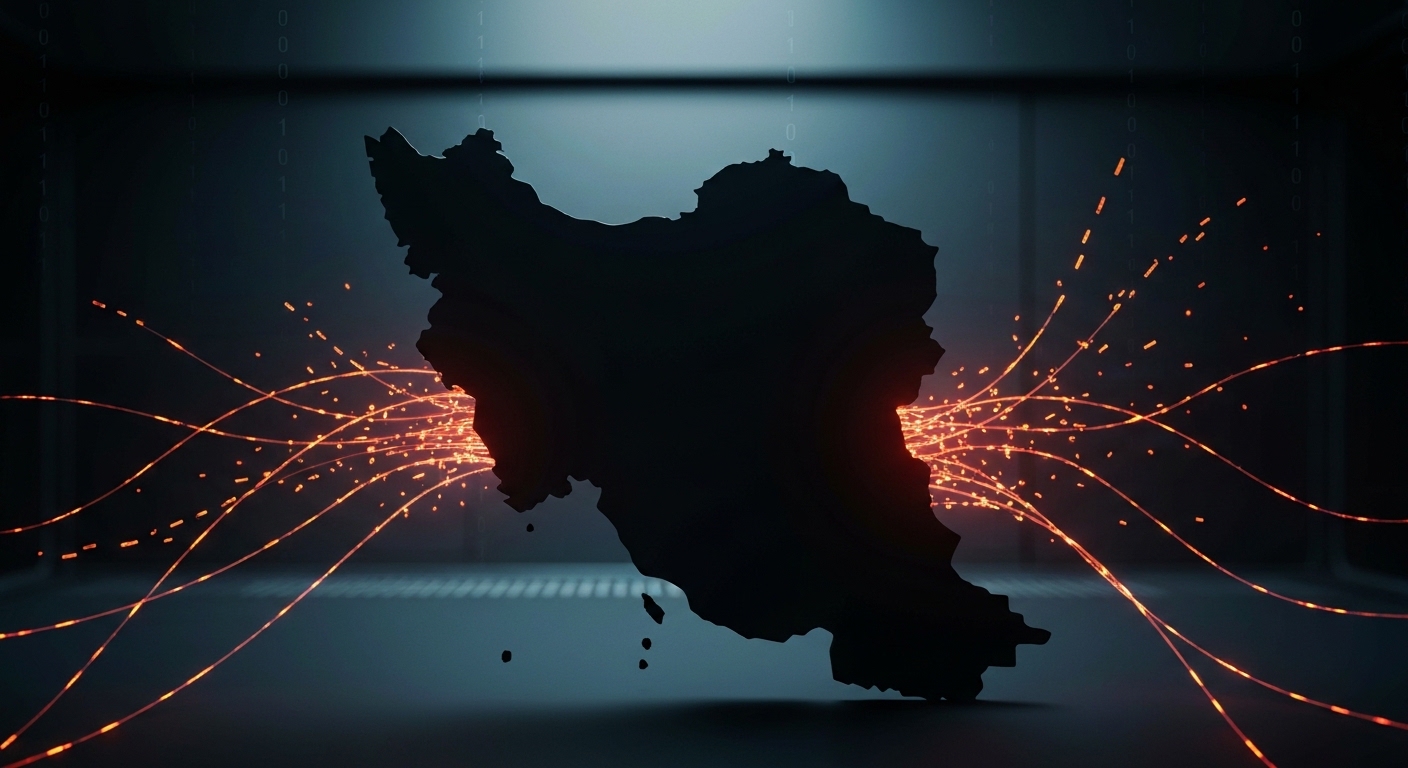
Iran has officially set a grim world record for the longest internet shutdown. From technical mechanics to the devastating human toll, here is what happens when a state pulls the plug on its citizens.
Imagine waking up, reaching for your phone to check the news, and finding absolute silence. No social media, no messaging apps, and no way to reach the outside world. This isn’t a dystopian novel—it’s the reality for millions in Iran, a country that has officially set a grim world record for the longest state-sponsored internet shutdown in history.
The Digital Blackout
While the technology community has been vocal about these unprecedented disruptions, the cold, hard data from industry experts tells an even more harrowing story. When connectivity vanishes, it isn’t just an inconvenience; it is a systematic tool of state control.
How Do They Do It?
If you are wondering how an entire nation goes dark, it is not as simple as flipping a giant switch. The Open Observatory of Network Interference (OONI) has extensively documented the sophisticated technical mechanisms used to interfere with connectivity. By targeting specific protocols, blocking encrypted traffic, and throttling bandwidth, authorities can effectively isolate a population while maintaining the appearance of a functioning network.
- Measuring the Void: NetBlocks, the gold standard for tracking global internet disruptions, has provided the empirical evidence needed to track these blackouts in real-time. Their rigorous data confirms that these outages are not accidental technical glitches; they are deliberate, calculated maneuvers by the state.
Beyond the Code: The Human Cost
It is easy to get lost in the technical jargon of routing interference and bandwidth throttling. However, we must remember that behind every ‘server unreachable’ error is a human story.
Amnesty International has consistently highlighted how these internet shutdowns serve as a veil for state-sponsored human rights violations. When the web goes dark, the flow of information ceases, making it nearly impossible for journalists, activists, and civilians to document human rights abuses as they unfold.
Why This Matters to Us All
Internet freedom is a global litmus test for democracy. When a state can effectively delete its population from the digital world, it sets a dangerous precedent. We are not just discussing a disruption of emails or social connectivity; we are discussing the systematic erasure of a population’s ability to communicate, organize, and witness the modern age.
As the digital landscape evolves, so too do the methods of censorship. Staying informed is our first line of defense. Keep your eyes on the data, support organizations fighting for digital sovereignty, and never take your connection for granted—because, for millions, the digital wall is only one click away.